
Speech Therapy for Speech Delay: How It Helps Your Child
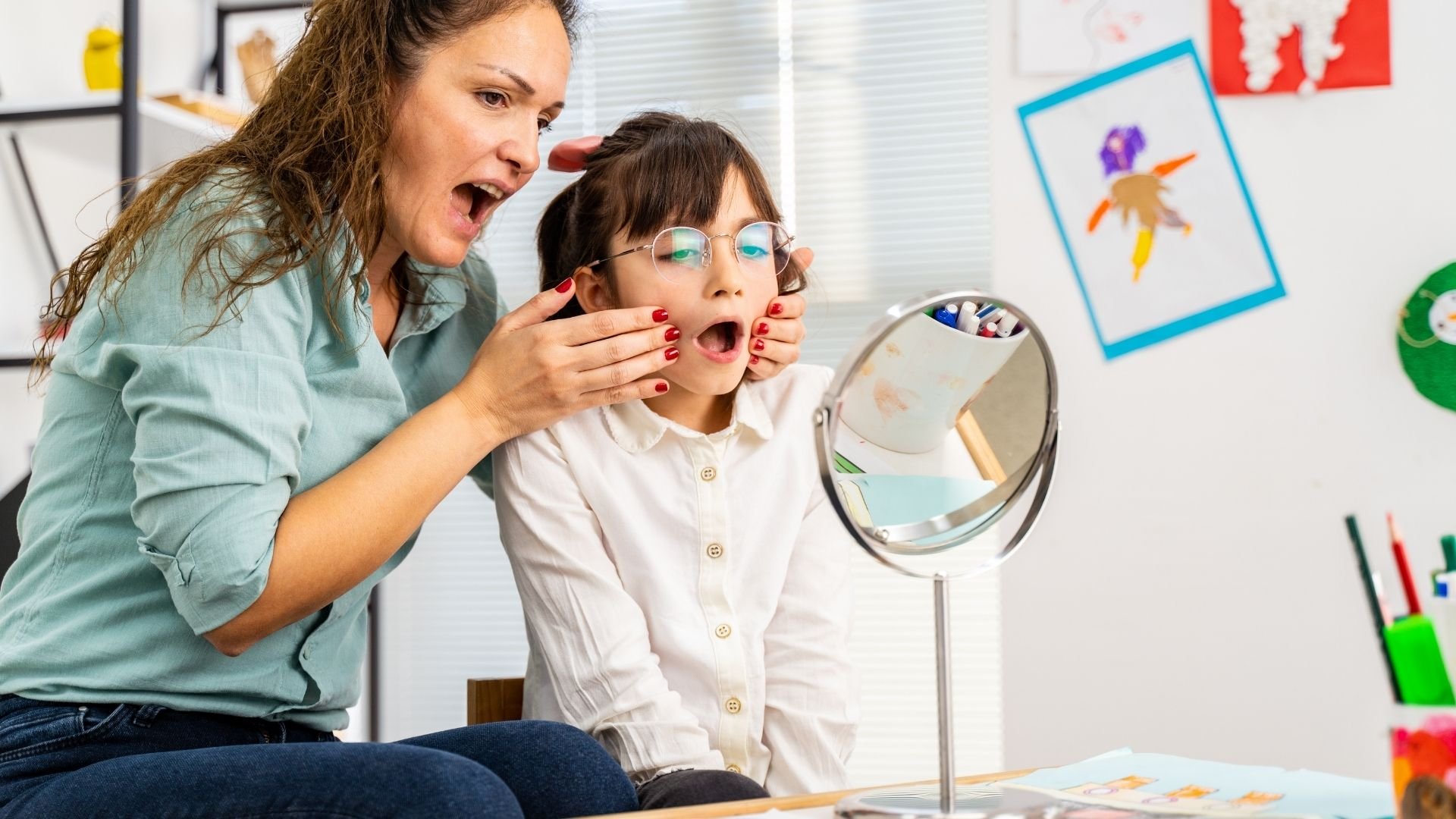
When a child has trouble talking, it can be hard for the whole family. You may worry or feel unsure about what to do next. The good news is that speech therapy can help. With the right support, many children learn to speak more clearly and share their ideas with others.
What Is a Speech Delay?
A speech delay means a child is learning to talk more slowly than other children their age.
Some signs of speech delay may include:
Saying only a few words by age 2
Hard to understand speech
Not putting words together into short sentences
Getting upset because they cannot say what they want
Every child grows at their own pace. But if speech is much slower, a speech therapist can help.
What Is Speech Therapy?
Speech therapy helps children learn how to talk and communicate.
A speech therapist works with children to help them:
Say sounds and words clearly
Learn new words
Put words together into sentences
Ask for things they want
Talk with family and friends
Therapy often feels like playtime. Children may use toys, books, songs, and games while learning to speak. This makes learning more fun and enjoyable!
What Happens During a Speech Therapy Session?
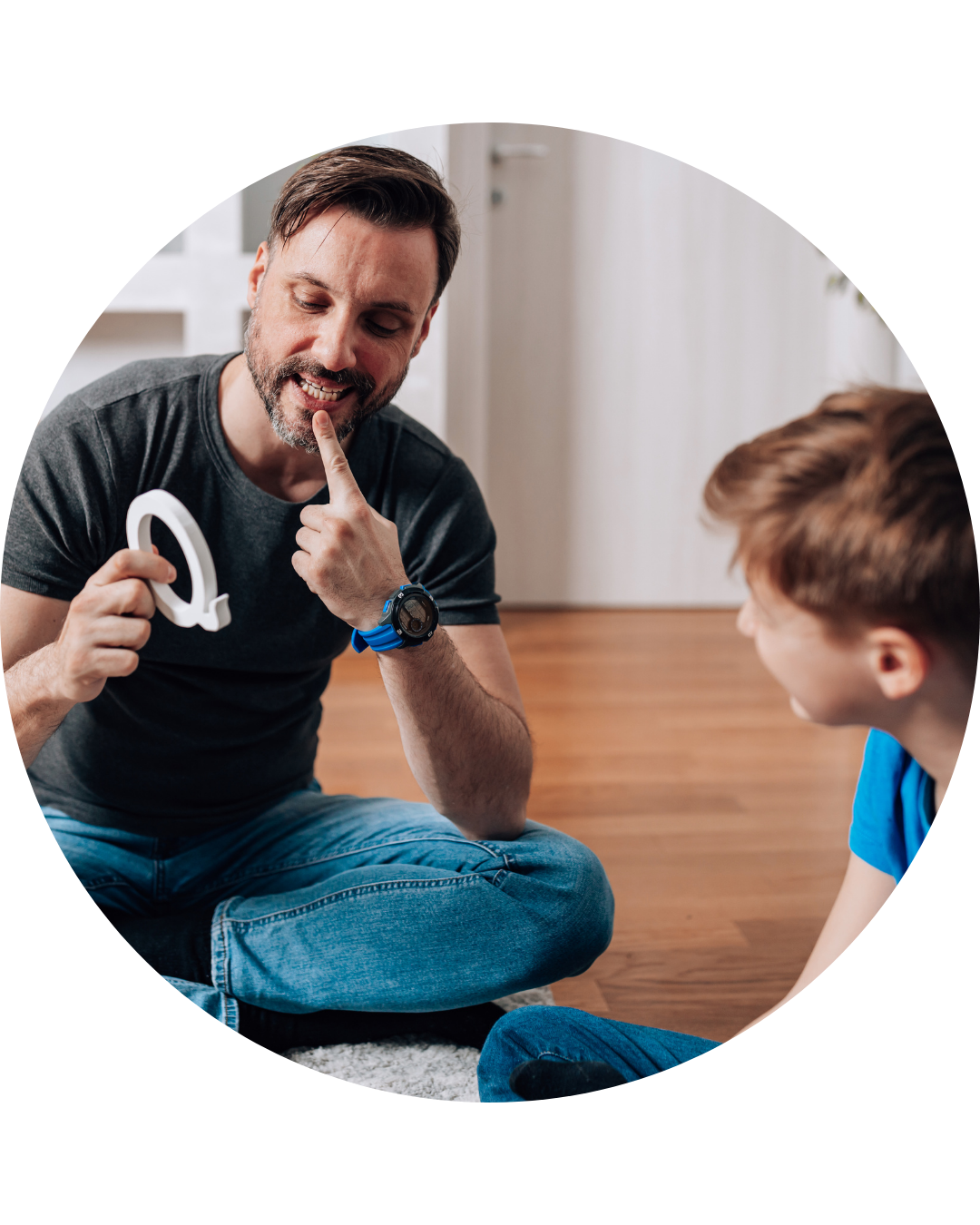
Speech therapy sessions are fun and active. Children learn while they play.
A therapist may:
Use toys to practice new words
Read picture books and talk about the story
Practice speech sounds during games
Sing songs and use simple actions
Practice asking for toys or help
For example, a therapist may hold a toy and wait for the child to say “car,” “more,” or “go.” This helps the child learn that words help them get what they want.
Therapists also show parents simple ways to practice speech at home.
How Speech Therapy Helps Children
Speech therapy gives children tools to communicate better.
Some benefits include:
Better speech sounds
Children learn how to move their mouth, lips, and tongue to say sounds clearly.
More words
Children learn new words so they can talk about people, toys, and activities.
Stronger confidence
When children can talk more easily, they often feel happier and more confident.
Less frustration
Being able to talk helps children share their needs and feelings.

How Parents Can Help at Home
Parents play a big role in speech growth. Children learn best when they hear and practice words every day.
Here are some simple ways to help at home.
Talk During Daily Routines
Daily activities are great times to practice speech.
You can talk during:
Mealtime
Bath time
Getting dressed
Grocery shopping
Car rides
Use simple words like:
“Cup”
“More milk”
“Shoes on”
“Big truck”
Short and clear phrases are easier for children to copy.
Give Choices
Offer two choices and let your child pick.
For example:
“Do you want apple or banana?”
“Do you want car or ball?”
Pause and give your child time to answer. Even one word is great practice.
Use Repetition
Children learn words faster when they hear them many times.
For example:
“Ball!
Big ball!
Throw the ball!
The ball is red!”
Hearing the word again and again helps it stick.
Read Books Together
Books help children learn new words.
Try to:
Point to pictures
Name objects
Ask simple questions
Let your child turn pages
Even short books can help build language skills.
Follow Your Child’s Lead
If your child is playing with cars, talk about cars.
You might say:
“Car go!”
“Fast car!”
“Red car!”
Talking about what your child likes keeps them interested and engaged.
Pause and Wait
After you ask a question or model a word, wait a few seconds.
Children often need extra time to think and respond. Waiting gives them a chance to try the word.
Small Moments Make a Big Difference
Speech practice does not need to be long or complicated. Short moments of talking, playing, and reading each day can help your child learn many new words.
When therapy and home practice work together, children often make faster progress.
At Speech Therapy For All PC, speech-language pathologists use these techniques to help children and adults with speech delays build stronger communication skills. Through play-based therapy, engaging activities, and individualized treatment plans, therapists create opportunities for children and adults to practice new words, sounds, and sentences in a fun and supportive environment. By working closely with families and providing strategies for home practice, Speech Therapy For All PC helps children and adults gain confidence in their speech and develop the communication skills they need for everyday life.
