
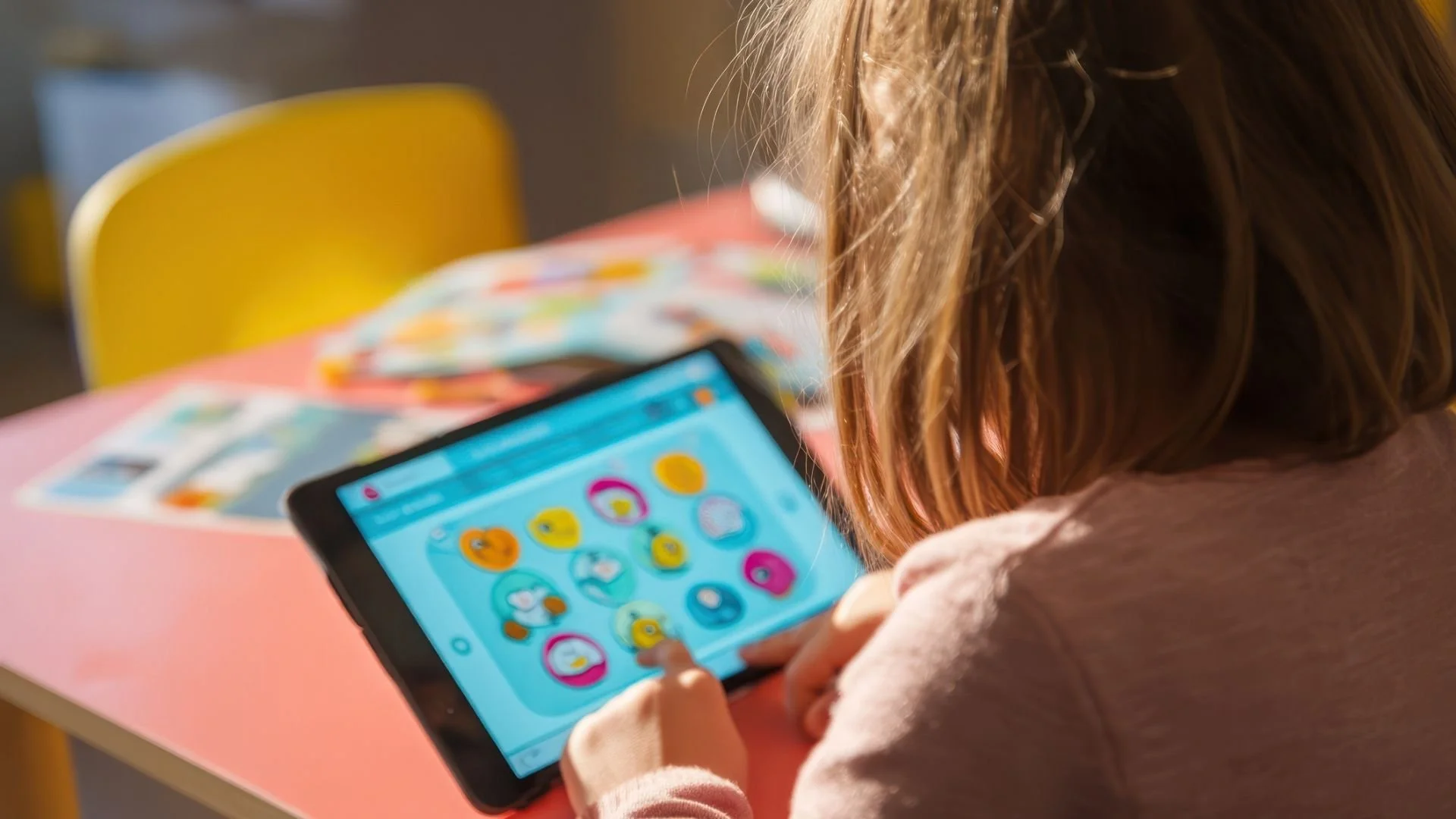
Helping a child learn to speak and understand language can feel overwhelming. Many parents and therapists look for tools that are simple, effective, and engaging. That’s where speech-language therapy apps can make a big difference.
These apps turn practice into play. Children can tap pictures, hear words, repeat sounds, and answer questions in a fun, low-pressure way. When paired with an iPad for speech therapy, learning becomes portable, interactive, and easy to fit into everyday life.
What Are Speech Language Therapy Apps?
Speech-language therapy apps are digital tools designed to help children build communication skills. Some focus on speech sounds and pronunciation. Others build vocabulary, sentence structure, listening skills, or even social communication like taking turns in conversation.
The biggest benefit is practice. Children improve when they repeat skills consistently. Apps make it easier to practice daily, not just during therapy sessions.
Why Use an iPad for Speech Therapy?
Many families choose an iPad for speech therapy because it is simple and intuitive for children to use. The clear sound, bright display, and smooth touch screen help keep kids engaged and focused.
Portability is another major benefit. An iPad allows children to practice at home, in the car, or while waiting for appointments. Instead of carrying flashcards and worksheets, everything is in one place.
Speech therapy apps for iPad also provide instant feedback. When children choose the correct answer or complete a task, they receive positive reinforcement. This boosts confidence and motivation.

How Speech and Language iPad Apps Build Skills
Different speech and language iPad apps target different areas of communication:
Vocabulary: Children connect pictures with spoken words, helping them understand and use new terms in daily life.
Speech sounds: Repetition and modeling help children practice difficult sounds and improve clarity.
Sentence building: Step-by-step activities teach children how to combine words into clear, complete ideas.
Listening and social skills: Many apps include exercises that strengthen attention, following directions, and conversation skills.
The interactive, multi-sensory experience—seeing, hearing, and touching—can make learning more effective and enjoyable.
The Importance of Adult Support
Technology works best when paired with human interaction. Parents and caregivers should sit with children during practice, repeat words together, and connect app learning to real-life conversations.
Speech therapists also use speech therapy apps for iPad to reinforce goals and track progress. When therapists and families work together, children benefit from consistent practice across settings.

A Balanced Approach
While speech and language iPad apps are powerful tools, they should support—not replace—real conversation. Talking, reading, and playing together remain essential for strong communication development.
With the right tools and consistent practice, speech language therapy apps can help children build confidence, improve clarity, and strengthen the skills they need to connect with the world around them.
Speech and language therapy apps can be a great way to make practice fun and engaging for children. When used with guidance from a speech-language pathologist, tools like iPads can support learning, build confidence, and help kids practice communication skills at home and in therapy.
If your child is struggling with speech or language, the right support can make a big difference. Contact Speech Therapy For All today to schedule an evaluation and learn how our team can help your child grow their communication skills.
