
Best Toys for Speech Therapy
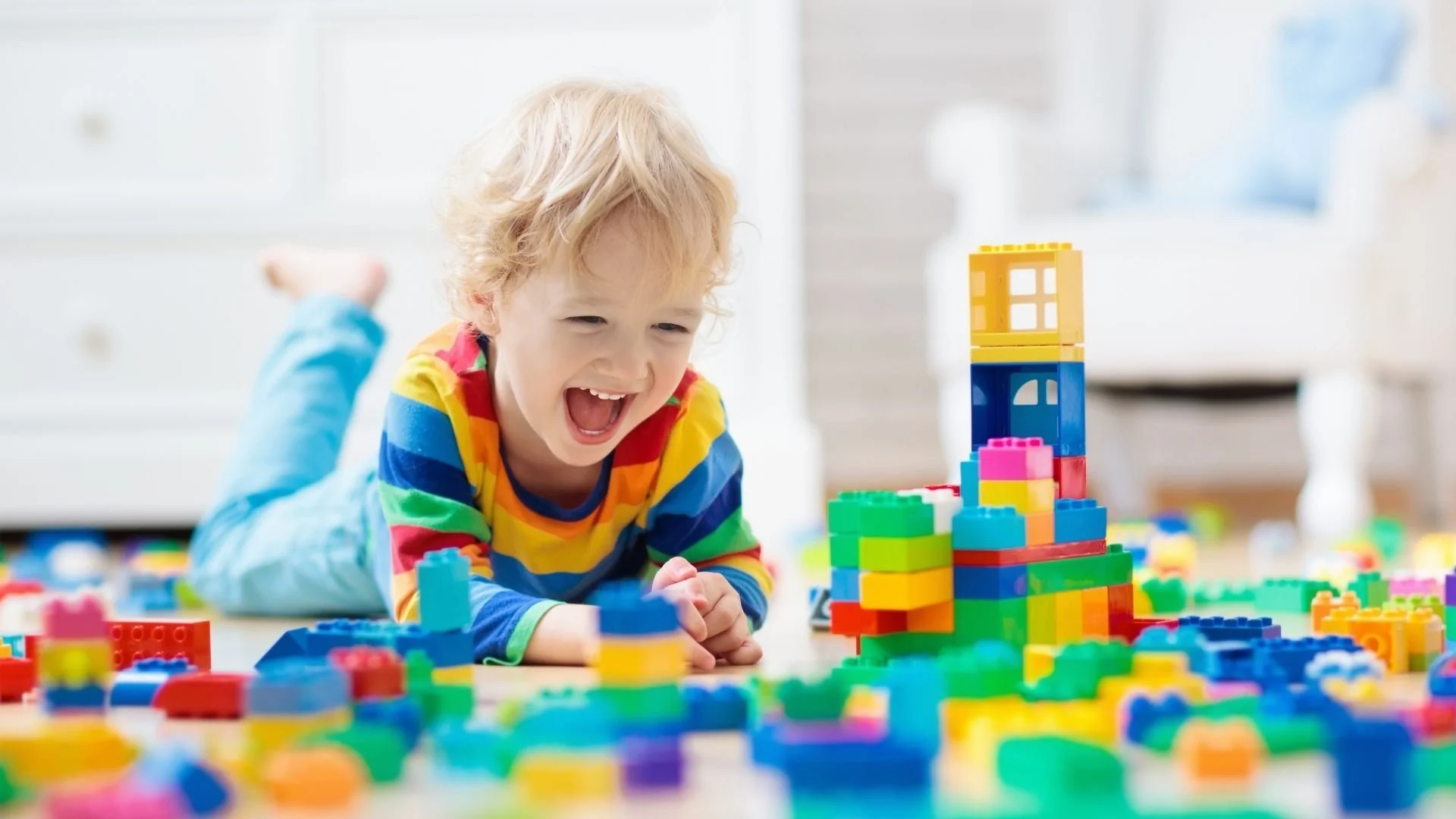
Speech therapists often choose toys that naturally encourage talking, requesting, describing, and social interaction during play. The best toys are open-ended, motivating, and allow repetition of words or sounds. Here are some commonly used toys in speech therapy and why they work.
Our Favorite Toys for Speech Therapy
Cause-and-effect toys are excellent tools for early speech and language development because they help children understand that their actions can make something happen (for example, press → pop). These toys encourage early words such as “open,” “go,” “pop,” and “more,” while also helping build joint attention between the child and therapist or caregiver. Speech therapists often pause before activating the toy to give the child an opportunity to gesture, vocalize, or attempt a word to request the action. Examples of helpful cause-and-effect toys include Battat Pop-Up Pals, Interactive Toy, and Fisher-Price Pets Pop-Up.
Turn-taking games are another valuable tool for language development because they encourage social interaction and communication. These games provide natural opportunities for children to practice simple phrases such as “my turn,” “your turn,” “I want the red one,” or “push it.” They also help children practice following directions and describing colors, numbers, and actions during play. Games like Goliath Pop, the Pig Game, and Shark Bite Game are commonly used because they make practicing these communication skills fun and engaging.
Body-part and vocabulary toys help children learn important words while playing. Toys that include removable pieces allow children to practice identifying body parts such as eyes, nose, or hat, while also learning prepositions like “on,” “off,” and “in.” During play, speech therapists may use prompts such as “Put the hat on” or “Where are the eyes?” to encourage understanding and expressive language. Toys like Mr. Potato Head Toy, and Learning Resources Critter Clinic are especially helpful because they support multiple language goals at the same time.
Pretend play sets promote creativity while helping children learn everyday vocabulary and sentence structure. Through pretend cooking, feeding, or caring for animals, children practice words related to food and actions such as eat, cook, and cut. Speech therapists often use pretend food to encourage requesting (“I want pizza”), describing (“big red apple”), and sequencing actions (“cut, cook, eat”). Examples of pretend play toys that support these language skills include Melissa & Doug Wooden Play Food Set and Melissa & Doug Pet Vet Play Set.
Open-ended building toys are also beneficial for language development because they encourage children to describe actions and problem-solve while playing. As children stack, build, and knock things down, they naturally use words like “build,” “fall,” and “stack.” These activities also provide opportunities for longer sentences and storytelling. Speech therapists often model verbs and tenses during play, saying things like “I am building,” “It fell down,” or “We will make it taller.” Toys such as PicassoTiles Magnetic Tile Building Set and traditional blocks work well because they allow for flexible, creative play while supporting language growth.
What Makes a Toy Good for Speech Therapy
Encourage interaction.
Create opportunities for requests (“more,” “help”).
Allow repetition of words/sounds for articulation practice.
Support pretend play and storytelling.
Motivate the child so they want to communicate.
In speech therapy sessions at Speech Therapy For All PC, therapists use many of these toys and techniques to support children as they build communication skills in a fun and engaging way. By incorporating play-based strategies, therapists can create natural opportunities for children to practice requesting, labeling, describing, and interacting with others. Toys such as cause-and-effect games, pretend play sets, and building activities help motivate children to communicate while targeting specific speech and language goals. Through structured play and guided interaction, Speech Therapy For All PC uses these tools to make therapy both effective and enjoyable, helping children gain confidence and progress in their communication abilities.
